White paper
Research, design thesis, benchmark synthesis and proposed operating rules.
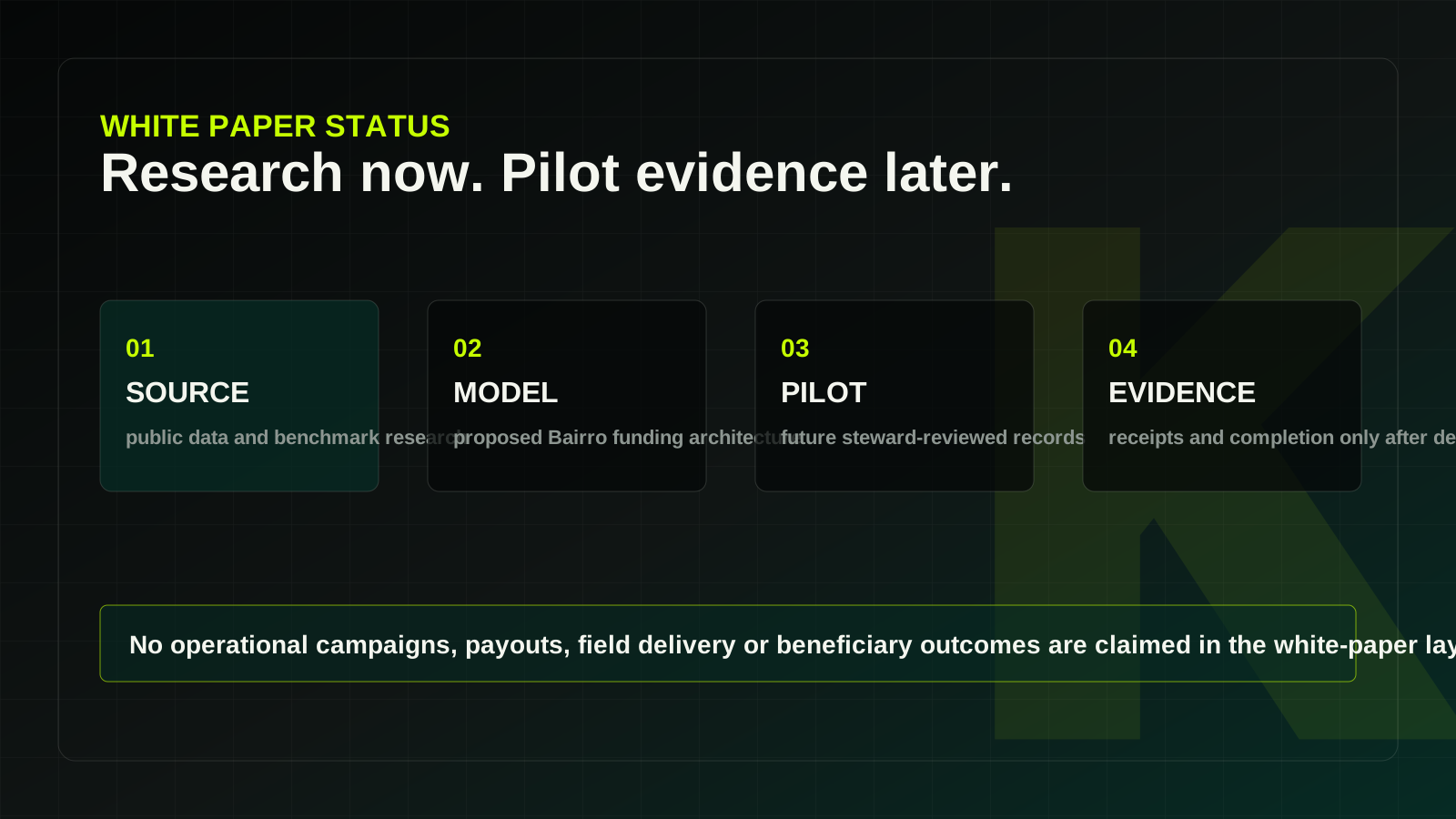
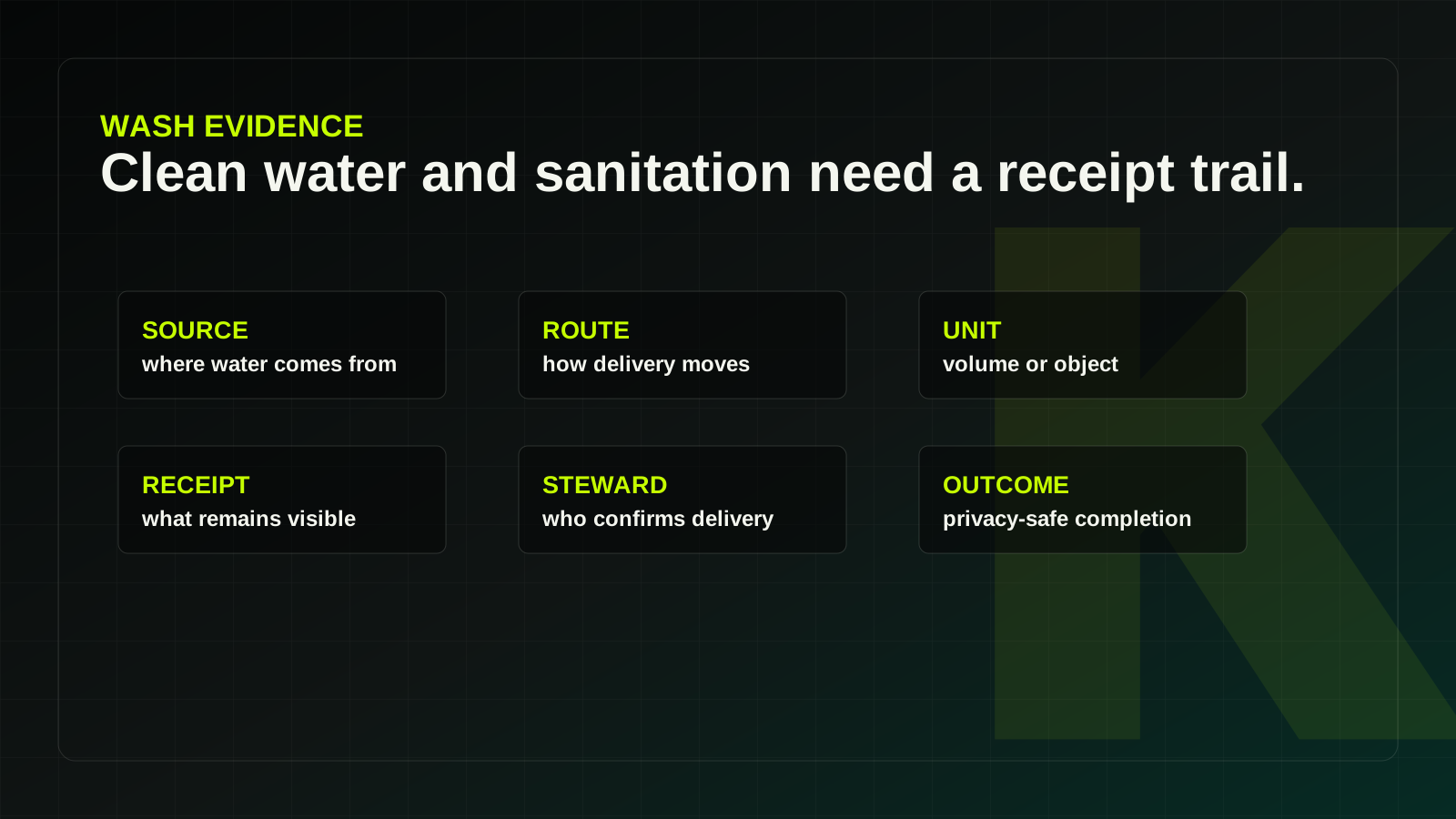
Water and sanitation evidence is a public-health discipline: source, route, receipt, delivery and outcome record.
This page is part of the Kimbo Fund white-paper layer: source-backed research, category design, proposed evidence standards and pilot templates. No campaign is presented as active; no money movement, field delivery, receipt upload, or beneficiary outcome is asserted.
Research, design thesis, benchmark synthesis and proposed operating rules.
No operational campaign, payout, receipt upload, field delivery or completed intervention is asserted on this page.
Any future project must publish source scope, steward review, budget basis, milestone rule, receipt trail and privacy boundary.
Readers should treat this page as research infrastructure for a proposed Bairro funding system.
Water and sanitation gaps are not a background condition. They are linked to cholera risk, household cost, school health and the daily logistics of Bairros and Musseques.
Cholera cases and deaths by 23 March 2025
WHO also reported that Luanda accounted for 4,143 cases in that outbreak snapshot. WHO Disease Outbreak News: Cholera in Angola, 2025
National basic drinking-water service, 2024
Urban and rural access diverge sharply; proposed campaign design must name the precise service context. World Bank Data: People using at least basic drinking-water services
Luanda households with appropriate drinking-water source
A household-level constraint that should shape proposed water-container, standpost and delivery-record recipes. INE Angola 2024 Census, Luanda Definitive Results
Luanda households using tanker or cupapata water
The water market already has informal logistics; the proposed model should make delivery records and receipts visible. INE Angola 2024 Census, Luanda Definitive Results
Sanitation share of OGE 2026
Sanitation is a high-stakes service gap with a very small budget share. Angola OGE 2026 documents, Ministry of Finance
Luanda population, 2024 census
Luanda is large enough to need a municipality-by-municipality evidence spine. INE Angola 2024 Census, Luanda Definitive Results
Water and sanitation gaps are not a background condition. They are linked to cholera risk, household cost, school health and the daily logistics of Bairros and Musseques.
These pages make the site denser without turning the brand into unsupported execution claims.
WHO's 2025 outbreak reporting links cholera risk to inadequate clean water and sanitation, with dense urban centers specifically noted as vulnerable.
Luanda households use household taps, neighboring-building taps, standposts, tanker or cupapata water and other sources. A proposed water pilot must state the route, unit, supplier and receipt.
When sanitation receives a small formal budget share, proposed local pilots need stronger documentation: what would be cleaned, fixed, installed, delivered or maintained.
Historic Luanda Musseque studies are valuable, but every page must label the year and scope. The current spine should use 2024 census and current WHO reporting wherever possible.
Each claim should remain attached to source, date, geography and confidence level.
The new research layer is intentionally dense: national evidence, Luanda geography, service dashboards and category-specific solution templates.