White paper
Research, design thesis, benchmark synthesis and proposed operating rules.
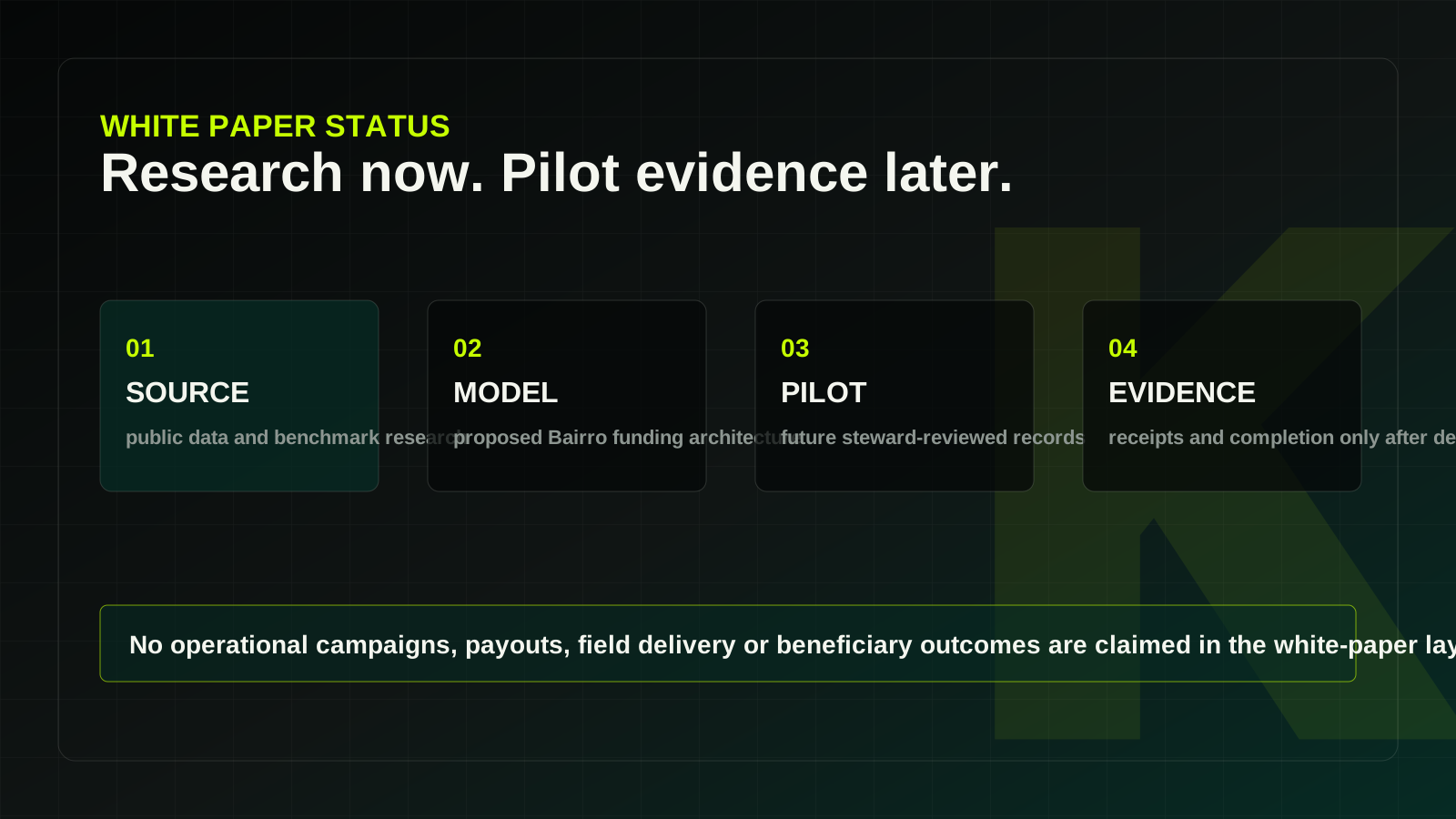
Resource scale and neighborhood reliability are different systems. The white paper turns local energy needs into proposed evidence records.
This page is part of the Kimbo Fund white-paper layer: source-backed research, category design, proposed evidence standards and pilot templates. No campaign is presented as active; no money movement, field delivery, receipt upload, or beneficiary outcome is asserted.
Research, design thesis, benchmark synthesis and proposed operating rules.
No operational campaign, payout, receipt upload, field delivery or completed intervention is asserted on this page.
Any future project must publish source scope, steward review, budget basis, milestone rule, receipt trail and privacy boundary.
Readers should treat this page as research infrastructure for a proposed Bairro funding system.
Angola can be an oil-heavy economy and still have households, schools, clinics and microbusinesses facing electricity-access and reliability constraints. The proposed local solution layer must define lawful, verifiable, safety-conscious energy pilots before any field claim is made.
Oil share of GDP, fiscal revenue and exports
The national economy remains exposed to oil-price and oil-production shocks while everyday service gaps stay local. World Bank Macro Poverty Outlook, Angola, April 2026
National electricity access, 2023
National access remains a service-gap signal even when Luanda performs better than rural Angola. World Bank Data: Access to electricity, Angola
Firms reporting power outages, 2024
Power reliability affects jobs, clinics, schools, cold chains and neighborhood businesses. World Bank Southern Transmission Network Expansion Project
Technical and commercial electricity losses
The grid problem is not only capacity; losses and collection discipline affect reliability. World Bank Southern Transmission Network Expansion Project
Luanda households using public electricity
Access is not the same as reliable power; outages and local safety still matter. INE Angola 2024 Census, Luanda Definitive Results
Youth unemployment, Q3 2025
A youth-heavy country is a strong case for pilot templates around learning, sport, tools and local opportunity. INE Angola Employment Survey, Q3 2025
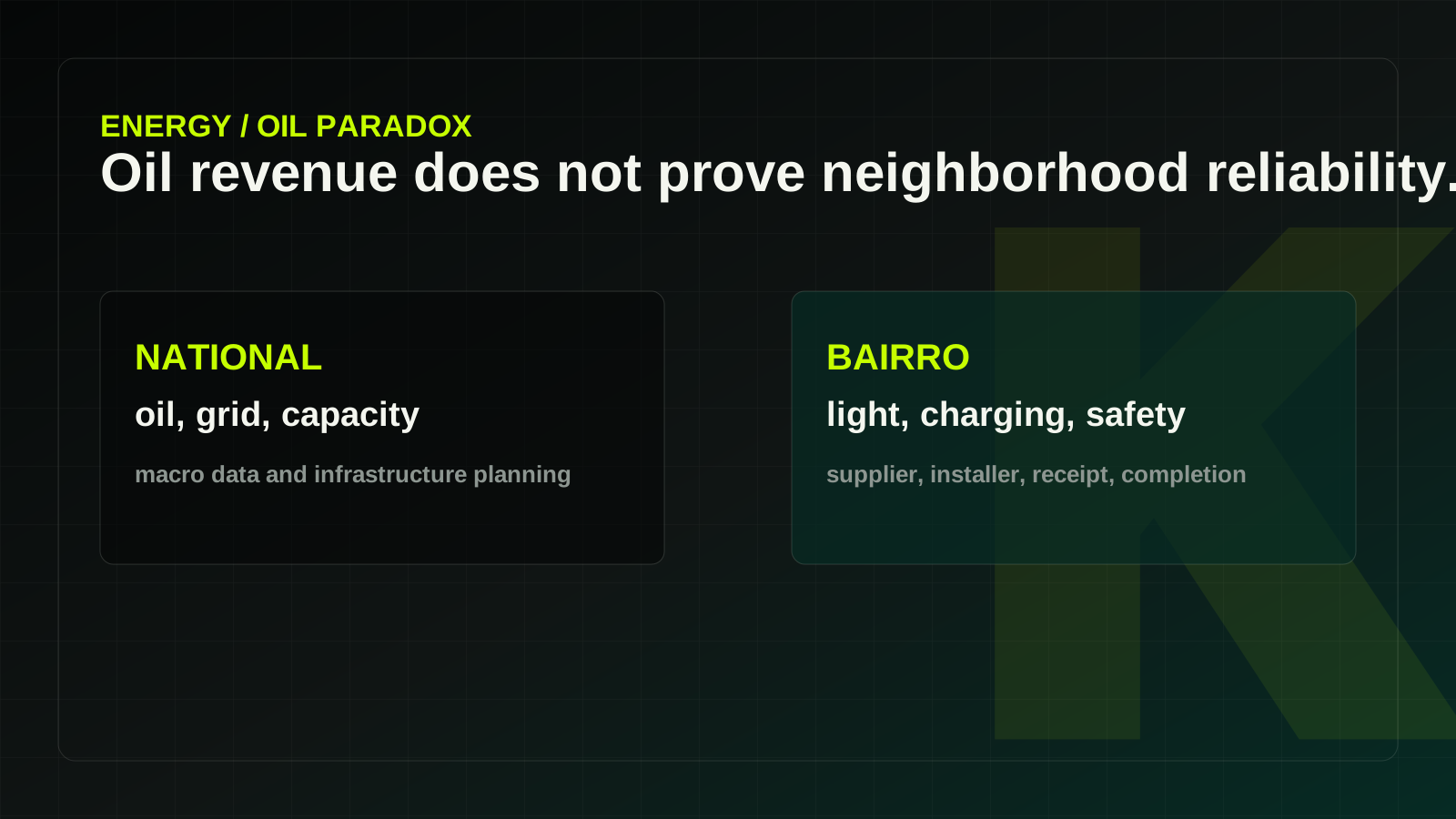
Angola can be an oil-heavy economy and still have households, schools, clinics and microbusinesses facing electricity-access and reliability constraints. The proposed local solution layer must define lawful, verifiable, safety-conscious energy pilots before any field claim is made.
These pages make the site denser without turning the brand into unsupported execution claims.
Oil revenue can shape national accounts while neighborhood-level power remains a practical constraint for study, refrigeration, workshops, safety lighting and clinics.
The World Bank energy project material points to concentrated supply, high losses and collection issues. Local pilot templates should focus on safe, lawful endpoints, not grid promises they cannot control.
Lighting, charging, classroom power and small equipment pilots should include supplier quote, installer credentials where relevant, receipt, installation evidence and safety signoff.
Microbusiness tools and reliable lighting can support work, study and market activity. A future pilot record should connect the proposed object to the expected use case.
Each claim should remain attached to source, date, geography and confidence level.
The new research layer is intentionally dense: national evidence, Luanda geography, service dashboards and category-specific solution templates.