White paper
Research, design thesis, benchmark synthesis and proposed operating rules.
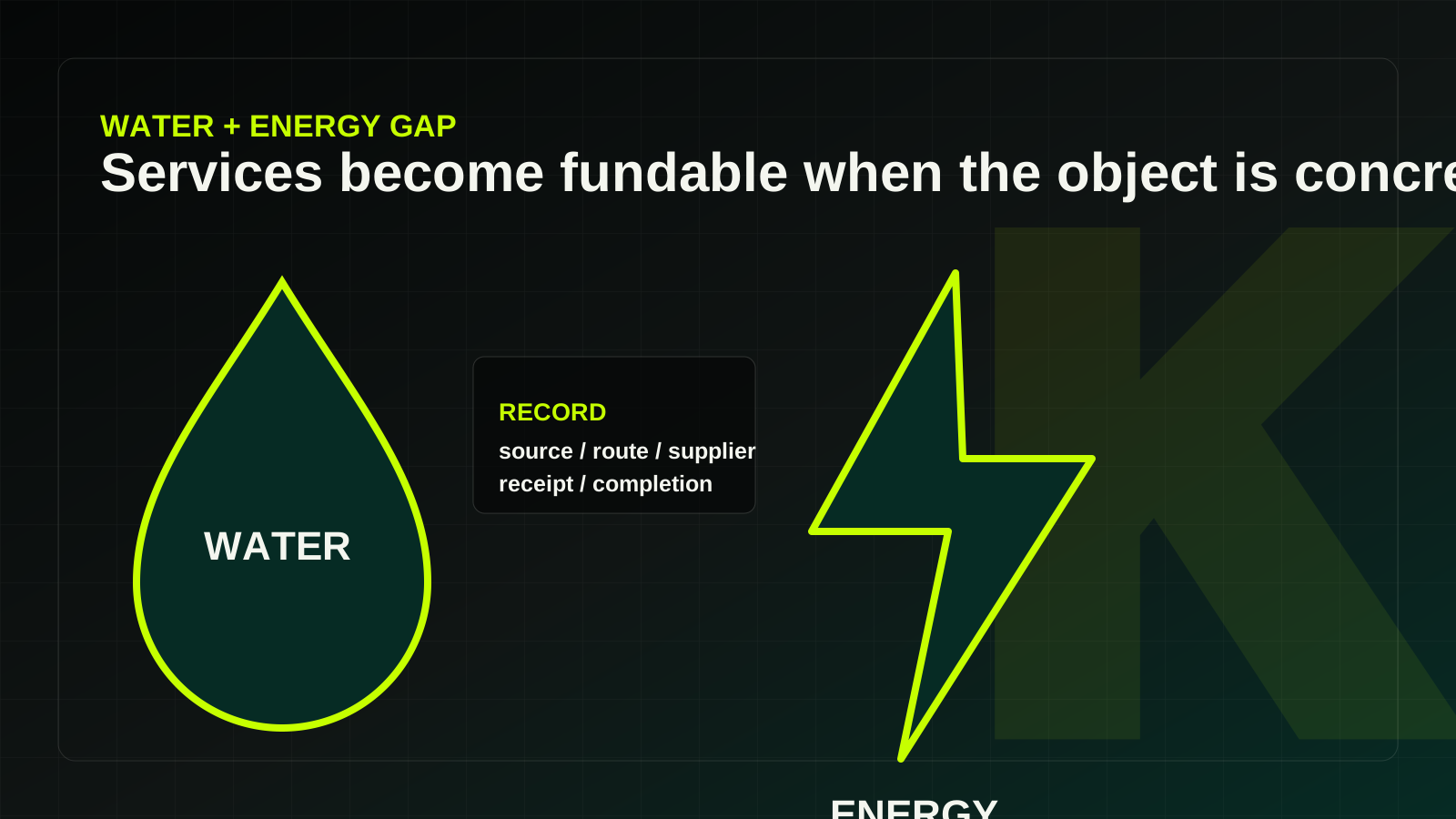
Energy and water indicators translated into proposed local records with supplier, receipt and completion evidence.
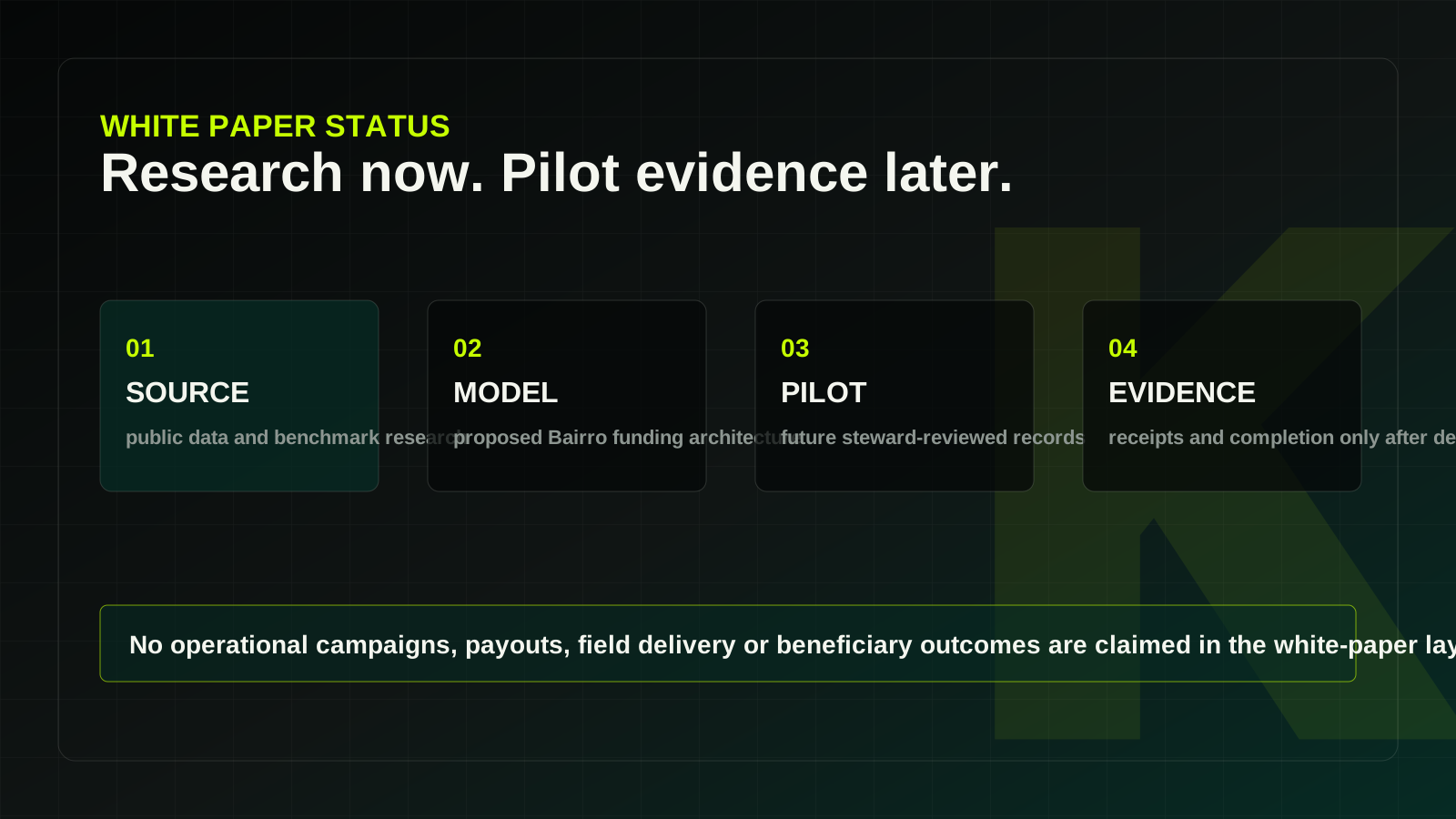
This page is part of the Kimbo Fund white-paper layer: source-backed research, category design, proposed evidence standards and pilot templates. No campaign is presented as active; no money movement, field delivery, receipt upload, or beneficiary outcome is asserted.
Research, design thesis, benchmark synthesis and proposed operating rules.
No operational campaign, payout, receipt upload, field delivery or completed intervention is asserted on this page.
Any future project must publish source scope, steward review, budget basis, milestone rule, receipt trail and privacy boundary.
Readers should treat this page as research infrastructure for a proposed Bairro funding system.
Energy and water are the practical backbone of neighborhood life. A useful dashboard connects national access data, Luanda household sources and power reliability to fundable local pilot designs.
National electricity access, 2023
National access remains a service-gap signal even when Luanda performs better than rural Angola. World Bank Data: Access to electricity, Angola
Firms reporting power outages, 2024
Power reliability affects jobs, clinics, schools, cold chains and neighborhood businesses. World Bank Southern Transmission Network Expansion Project
Technical and commercial electricity losses
The grid problem is not only capacity; losses and collection discipline affect reliability. World Bank Southern Transmission Network Expansion Project
National basic drinking-water service, 2024
Urban and rural access diverge sharply; proposed campaign design must name the precise service context. World Bank Data: People using at least basic drinking-water services
Luanda households with appropriate drinking-water source
A household-level constraint that should shape proposed water-container, standpost and delivery-record recipes. INE Angola 2024 Census, Luanda Definitive Results
Luanda households using tanker or cupapata water
The water market already has informal logistics; the proposed model should make delivery records and receipts visible. INE Angola 2024 Census, Luanda Definitive Results
Energy and water are the practical backbone of neighborhood life. A useful dashboard connects national access data, Luanda household sources and power reliability to fundable local pilot designs.
These pages make the site denser without turning the brand into unsupported execution claims.
A future pilot that says water is too vague. The record must say container, volume, delivery route, supplier, cost, receipt and completion evidence.
A lighting or charging pilot needs supplier evidence, qualified installation where relevant, completion images and a safety note.
Where households already buy water through delivery channels, the proposed funding model can make the delivery chain legible and accountable.
Firm-outage data and grid-loss evidence show why local lighting, refrigeration, charging and learning support can remain urgent even with formal access.
Each claim should remain attached to source, date, geography and confidence level.
The new research layer is intentionally dense: national evidence, Luanda geography, service dashboards and category-specific solution templates.